

Research agenda
We move beyond simple descriptions of EU actions to uncover the mechanisms that drive unity and disunity in times of emergency. Our work leverages expertise across political science, law, and sociology to produce rigorous, policy-relevant analysis that addresses five core thematic axes, forming the foundation of our publications, seminars, and international engagement.

Rights & Values
In line with the European Commission’s priority of upholding foundational values, this axis leverages the IES’s comprehensive expertise in EU constitutional law, political theory, fundamental rights, and gender and equality studies. Its core activity is to test the resilience of EU fundamental rights and values—including respect for the rule of law and equality among EU citizens—during states of emergency.
This research fosters crucial debates concerning how emergency narratives impact the (dis)unity of the European integration process. Specifically, the axis examines who is included or excluded, who is made visible or invisible, and what issues are sidelined or prioritized in the face of crises. Furthermore, it analyzes the distribution of emergency powers between the EU and its Member States, and the pivotal role of the Court of Justice of the EU in maintaining the rule of law and EU values during these challenging situations.
Climate & Environment
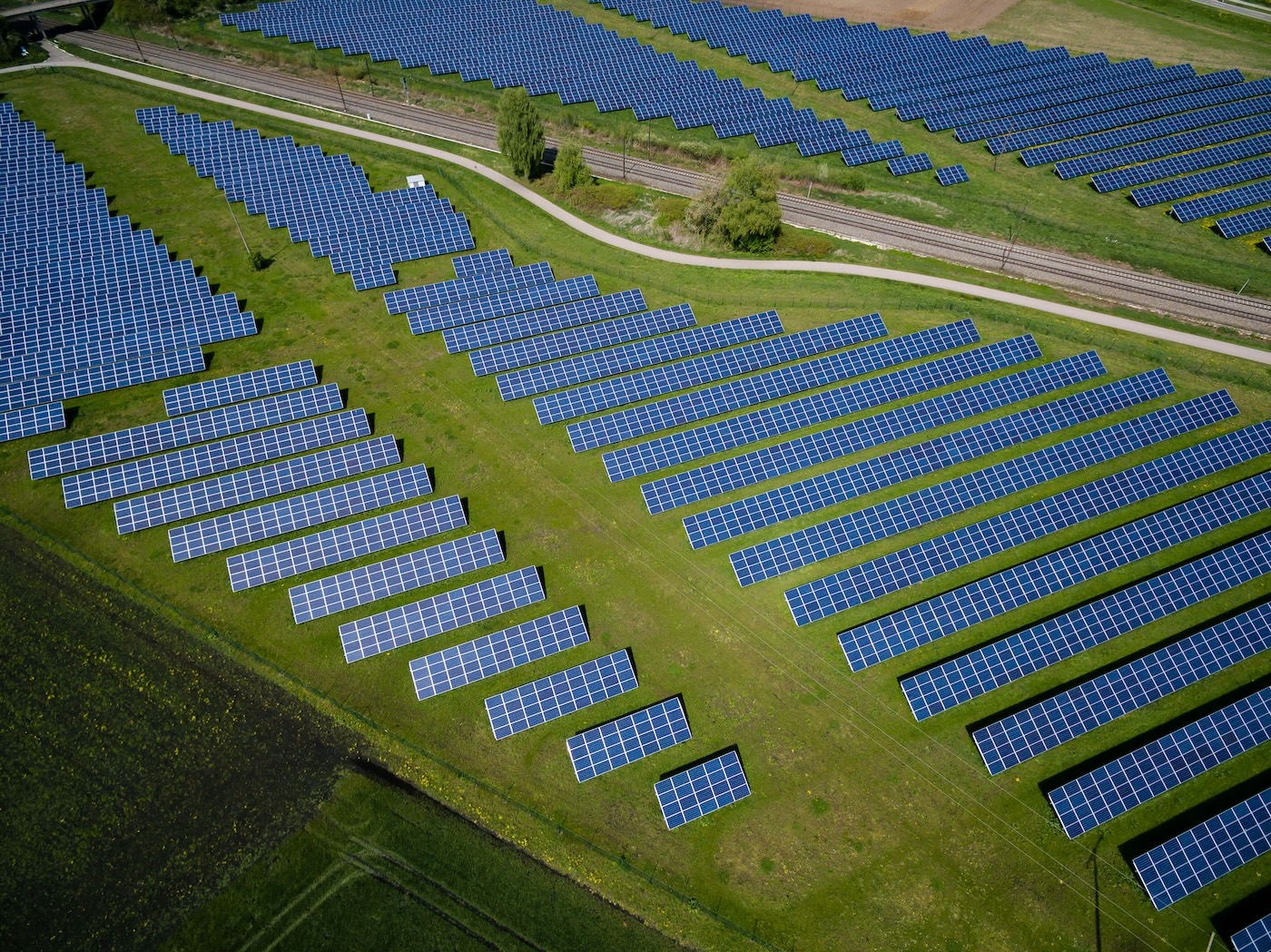
Climate change, biodiversity loss, and environmental degradation present increasingly urgent threats. These challenges bring about population distress and displacements, forcing us to question current economic models and established ways of life. Such changes create tensions and disunity, ultimately testing the integrity of EU rules and values and the security of EU citizens.
While these challenges are integral to the European Green Deal, they still demand concrete solutions. Leveraging the IES’s expertise in EU environmental law and policy, activities under this axis actively address the capacity of EU institutions and citizens to manage the climate and environmental emergency. This is achieved by:
- Analysing the growing integration of ecological concerns into security practices, including the securitisation of environmental hazards.
- Reflecting on the temporalities of the environmental crisis (short-term vs. long-term; present vs. future considerations).
Through the lens of unity and disunity in the face of emergencies, this axis engages citizens and policymakers in crucial debates regarding the use of emergency measures and language to prioritize environmental or social concerns over security issues, and vice versa.
Asylum and Migration
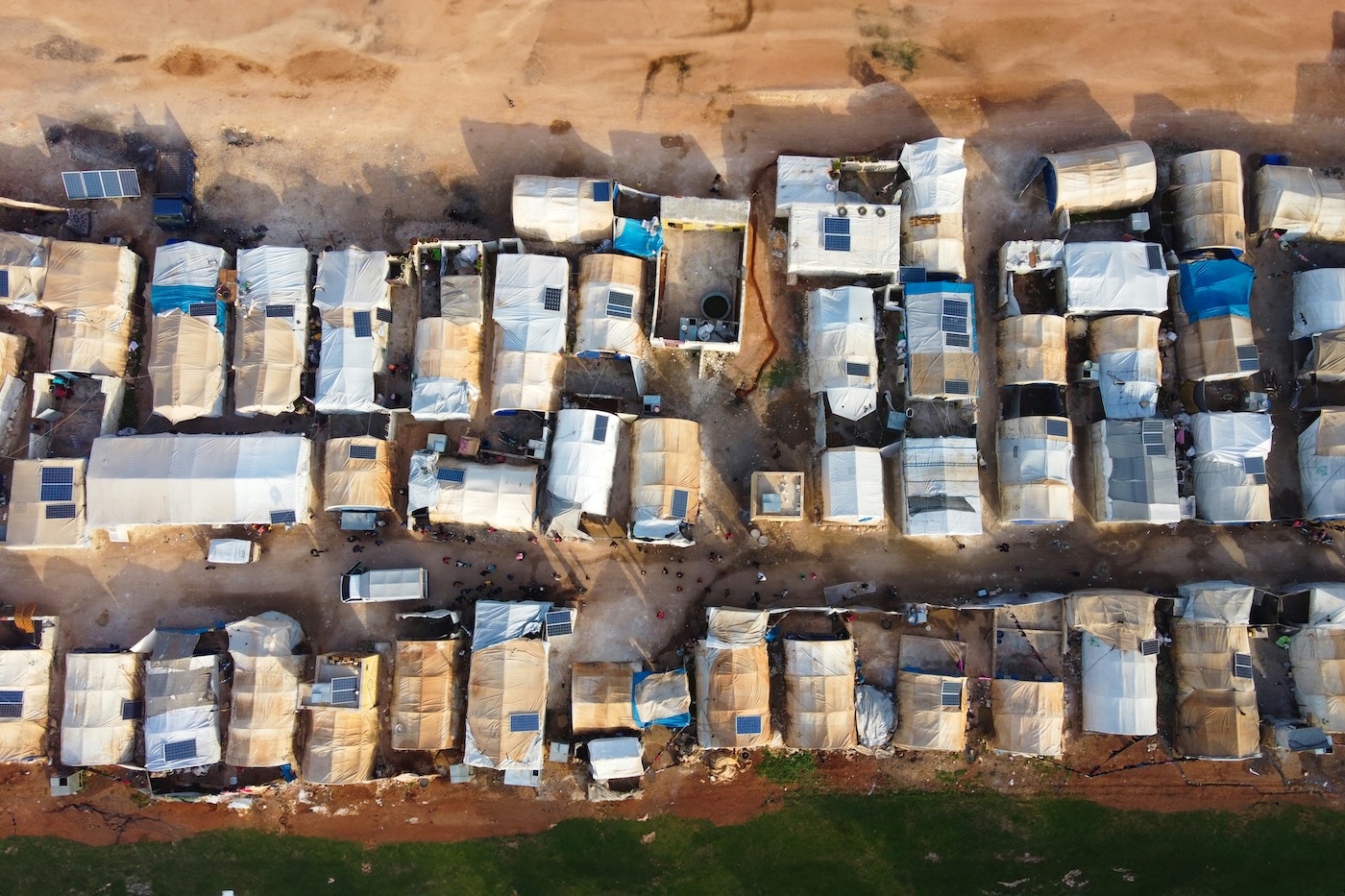
Since the 2015 refugee crisis, Europe’s borders have frequently been framed as existing in a “permanent state of emergency.” This emergency narrative deeply shapes the EU’s internal and external governance of migration, as well as the governance of the Schengen Area. The Pact on Migration and Asylum, adopted in 2024, explicitly aims to overcome the divisions that emerged among Member States following the refugee crisis.
The Pact institutionalizes the “hotspot approach,” which was initially conceived as an emergency response. Furthermore, it introduces a new Crisis Regulation that provides for quick crisis protocols, along with operational support and funding, specifically for emergency situations. Simultaneously, the Russian war of aggression against Ukraine has triggered an unprecedented manifestation of solidarity among Member States and with war refugees, demonstrated by the first-ever activation of the temporary protection directive for Ukrainian nationals fleeing the conflict.
Leveraging the IES’s expertise in migration and security studies, this axis examines the crucial role of crisis narratives in shaping the European political agenda concerning migration and border governance. It pays special attention to the divisive effects inherent in current migration and asylum policies.

Global Europe
By bringing together expertise in EU external relations and climate policy, and contributing directly to the European Commission’s ambition of strengthening Europe’s position and voice on the global stage, the JMCE develops research, specialized teaching, and outreach activities. These activities focus on the transboundary nature of emergencies and the EU’s diplomatic power to shape regional and international responses to climate change, migration, and natural and man-made disasters, both within and beyond the EU.
Research debates examine the EU’s cooperation with third states, international organizations, external experts, and vulnerable communities to (trans)form emergency governance beyond EU borders. This axis also analyzes the tensions, divisions, and conflicts that arise between Member States and among Europeans concerning the European management of migration and asylum issues.

Democracy & Voices
Building on the outcomes of the EUNMUTE JMCE and the IES’s expertise in political theory and philosophy, history, sociology, and gender and equality studies, this axis directly contributes to the European Commission’s priority of safeguarding EU democracy against internal and external threats.
While emergency situations can often be instrumentalized by governments to consolidate power and curtail civil liberties, thereby silencing the most vulnerable, they may also serve as platforms for social mobilization, resistance, and protest.
Debates under this axis therefore draw on political, historic, and sociological research to test the resilience of EU democratic institutions against nationalist, anti-democratic, or Eurosceptic rhetoric, and the EU’s ability to safeguard participative democracy. Considering the current backlash and attacks against democratic principles, these debates also focus on pushback strategies in times of emergency. Ultimately, this axis explores the critical links between emergency discourses and the resulting (dis)unity of the European polity.

Promoting Researchers' mobility and international exchanges
The mobility of researchers is an important condition for the exchange of knowledge and innovative research. The EUMERGENCIES exchanges are a research mobility scheme that aim to promote interactions between the JMCE and foreign universities by funding shortterm visits (up to three months).
It supports collaborative research projects.The exchanges are developed for junior and senior researchers who wish to make a scientific stay in or out.
People concerned are:
- researchers from UCLouvain interested in the EU Studies willing to collaborate with foreign research centres and universities in research domains covered by the EUMERGENCIES projects (OUT).
- foreign researchers interested in the EUMERGENCIES project and willing to visit the IES in order to collaborate with the JMCE academic staff in at least one of the research thematic axes (IN).
Lorem ipsum dolor sit amet, consectetur adipiscing elit. #2
Nulla vitae elit libero, a pharetra augue. Fusce dapibus, tellus ac cursus commodo, tortor mauris condimentum nibh.
Read moreLorem ipsum dolor sit amet, consectetur adipiscing elit. #3
Nulla vitae elit libero, a pharetra augue. Fusce dapibus, tellus ac cursus commodo, tortor mauris condimentum nibh.
Read moreLorem ipsum dolor sit amet, consectetur adipiscing elit. #4
Nulla vitae elit libero, a pharetra augue. Fusce dapibus, tellus ac cursus commodo, tortor mauris condimentum nibh.
Read moreAcademic Networks and Partners

ECPR
European Consortium for Political Research - A premier scholarly association that sets the standard for political science research by organizing world-class methodology schools and general conferences across Europe.
Visit Website
EUIA
European Union in International Affairs Conference - A major high-level conference, co-organized by the IEE-ULB, GEM-STONES, and UNU-CRIS, focused on debating the European Union's critical role as a global actor.
Visit Website
UACES
The Academic Association for Contemporary European Studies - A global membership organization dedicated to promoting high-quality teaching and research on contemporary Europe and the European Union, notably through its annual conference and training events.
Visit Website
EISA
European International Studies Association (EISA) A leading association in International Relations that hosts a major annual conference and aims to advance rigorous scholarship on the international dimension of political life.
Visit Website